Ask ten safari travelers for the Amboseli safari best area and you will hear ten different opinions. Most of them can be true. Amboseli is a compact park, but its habitats range from permanent swamps to open plains and dry woodland. The right zone depends on your arrival route, your budget, and whether you came for elephants, photography, privacy, or easy logistics.
Before the zone debate goes further, use our full Amboseli safari guide for the wider planning picture. This post focuses on location.
Amboseli Safari Best Area: Which Zone Wins?
None wins for every visitor. The Amboseli safari best area depends on your priority: inside the park’s wetland corridor for wildlife, the Meshanani edge for a flexible outside base, Kimana Gate for road arrivals and value, or a conservancy for privacy. Choose after weighing days, budget, and how much driving you want.
The sections below are ordered by wildlife focus, but your route may change the ranking.
1. Inside the Park and the Wetland Corridor: The Best Area to Stay in Amboseli for Wildlife
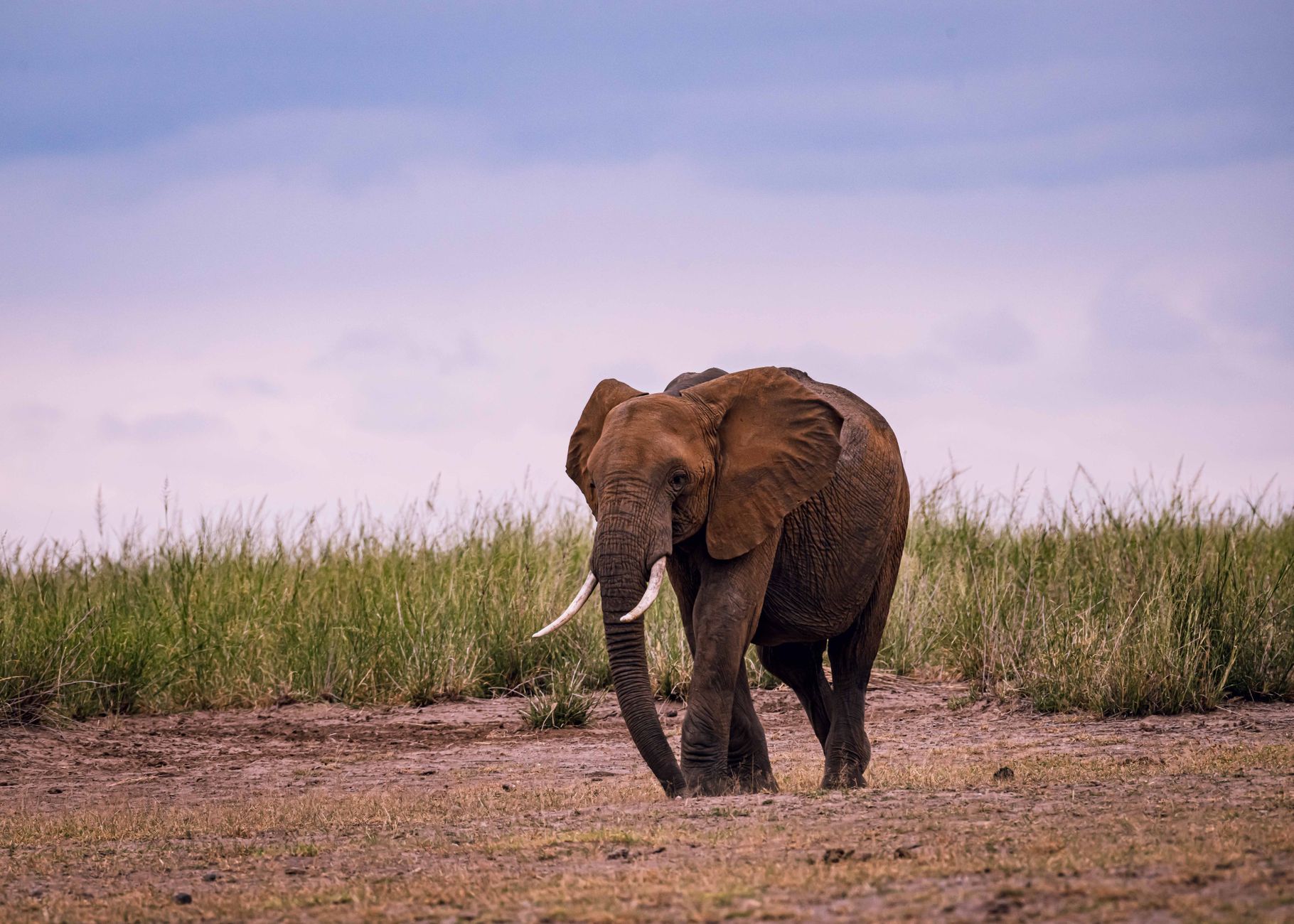
The permanent marshlands are the engine of Amboseli’s dry-season wildlife. When water sources shrink, elephants, buffalo, and hippos gather around springs and green wetland edges. Enkongo Narok and the area near Ol Tukai are dependable locations for sightings in a normal year.
Staying inside Amboseli National Park, or at a camp so close that the gate is a short drive away, gives you the most time on the marsh at first light. That quiet morning window often produces the strongest elephant behavior and the best photo light. Ol Tukai, on the park’s wetland side, has long been a favorite for elephant photography.
Choose this zone if you want to minimize transfer time and maximize wetland access. You may pay more for the location, and camp choice inside or beside the park can be limited. For a short first visit focused on elephants, this is usually the smartest call.
Water supply is part of the comfort equation in Amboseli. Read how Amboseli safari lodges manage water before assuming every room runs the same way.
2. Meshanani and the Western Approach: A Flexible Outside Base
The western side of Amboseli, especially the corridor from Meshanani Gate toward the park, has a mix of established lodges and tented camps. Some properties sit just outside the boundary and offer spacious grounds, garden privacy, and better value than in-park options. Amboseli Serena Safari Lodge is a recognizable name on this approach.
The trade-off is gate logistics. From an outside camp, every game drive starts with a transfer to the park gate, a formal entry check, and a drive into the park. That can add meaningful time to each outing, especially if your camp is far from the gate. It matters most on a two-night stay.
This zone works well for travelers who want comfort and a broader base for exploring the western marshes and open plains. If you arrive from the Nairobi direction and do not want the extra driving to the southeast, this side is worth strong consideration.
3. Kimana Gate and the Southeast: The Arrival and Value Zone
Kimana Gate is often the most practical entry for travelers coming by road from Nairobi or continuing toward Tsavo. It also opens up a useful band of accommodation on the southeast side, where camps range from straightforward budget tents to family-friendly properties and conservancy stays. Tawi is one recognizable name in this area.
Value and convenience are the main strengths of the Kimana zone. You can pay park fees, clear the gate, and begin your safari quickly if your camp is close. For travelers combining Amboseli with Tsavo West, this side simplifies the route.
The honest trade-off is distance to the central swamps. Kimana does not place you in the middle of the seasonal wildlife action. You save time on arrival but may spend more drive time inside the park before reaching the best wetland views. Ask a camp manager which wildlife areas their morning drives use before you book.
Drivers with local experience can shorten the learning curve. If you are new to this ecosystem, the benefits of using a private safari guide apply here just as strongly as in Tsavo.
4. Amboseli Conservancies: Privacy and Walking Country
Amboseli conservancies are not one uniform strip. They are private or community-managed parcels around the national park, and they appeal to travelers who want atmosphere, space, and a quieter camp experience. Tortilis Camp sits in a private woodland setting on the edge of the ecosystem, while Tawi offers a community-oriented conservancy stay on the wider Amboseli landscape.
These conservancies allow activities that do not happen inside the national park. Guided walks, night drives, and sundowner stops are more common because the rules differ from Kenya Wildlife Service park regulations. That can make a conservancy the best area to stay in Amboseli for couples, private groups, and repeat safari visitors who have already seen the classic marsh scenes.
Do not book a conservancy camp without checking access rules and rates. Availability changes, and not every private reserve connects directly to the same wildlife corridors. Ask whether park drives, walks, and transfers are included in the package.
Before joining a walking or night-drive program, review what to check when choosing a qualified safari guide. The camp may be beautiful, but guide quality decides how safe and rewarding those extra activities become.
5. Match the Zone to the Season
Wildlife patterns shift the ranking by month. From roughly June through October, conditions are drier and animals concentrate around permanent water. In those months the inside-park and park-edge zones earn their higher rates because the swamps are where the action lives.
In wetter months, temporary pools spread wildlife across a wider area. Scenery turns greener, newborn animals appear, and lodge occupancy is often lower. A conservancy stay can feel more rewarding then because you can roam wooded areas and private grassland without competing with other vehicles.
Clouds matter too. The famous Kilimanjaro views in Amboseli can appear from many open parts of the park, but no zone guarantees them. Camp orientation and early-morning sky conditions decide more than geography.
If you are still weighing this destination against another park, compare Amboseli and the Maasai Mara on timing and safari style before locking in your route.
Decide by Comparing Packages, Not Just Camp Names
The best area starts with your priority, not with a single lodge name. Wildlife time favors the wetland corridor, road convenience favors Kimana Gate, privacy favors a conservancy, and budget often favors the outside edges of the park.
The final choice becomes easier when you look at what operators actually include: gate transfers, park drives, meal plans, and conservancy activities. Browse packages from FindMySafari, Valley Safaris, or Trunktrails Safaris, compare operators by area and logistics, and ask one practical question before you pay: how early does the first game drive leave your chosen camp?
More safari planning resources
- Amboseli map and guide from SafariPure
- Amboseli National Park guide from Trunktrails Safaris
- Map of Amboseli from Valley Safaris
- Amboseli destination guide on FindMySafari